Stay Warm and Cozy: Must-Have Winter Hiking Gear
When embarking on a winter hike, it's crucial to be prepared with the right gear to ensure your safety and enjoyment. The cold temperatures and varying weather conditions can be challenging, but with the right equipment, you can have a comfortable and rewarding hiking experience. Here are some essential items that should be part of your winter hiking gear collection:
1. Insulated and Waterproof Outerwear: Layering is the key to staying warm during winter hikes. Start with a moisture-wicking base layer, add insulating mid-layers, and top it off with a waterproof and wind-resistant outer shell. This combination will keep you dry, warm, and protected from harsh elements.
2. Sturdy and Insulated Footwear: The right pair of boots is essential for winter hiking. Look for insulated and waterproof boots with good traction to provide warmth and prevent slips on icy surfaces. Thick, moisture-wicking socks are also important to keep your feet comfortable and dry.
3. Reliable Winter Accessories: Don't overlook the importance of winter accessories such as gloves, hats, and scarves. Opt for moisture-wicking and quick-drying materials that offer insulation. Additionally, pack hand and foot warmers to provide extra warmth during colder hikes.
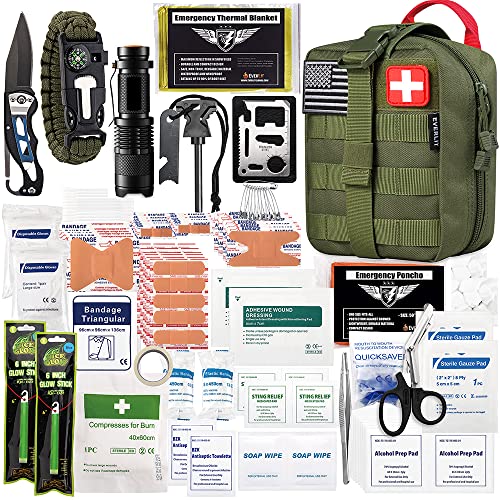
4. Proper Safety Equipment: Winter hiking can present unique challenges, so it's crucial to be prepared. Carry essential safety equipment such as a headlamp, a compass or GPS device, a first aid kit, and a whistle. Additionally, pack some high-energy snacks, water, and a map of the area you plan to hike in.
Trail-Worthy Footwear: Best Boots for Frigid Adventures
When embarking on winter hiking adventures, having the right footwear is crucial. Snow, ice, and freezing temperatures require sturdy, insulated boots that provide support, traction, and warmth. Here are some top picks for trail-worthy boots that will keep you comfortable and protected during frigid hikes.
Remember, when purchasing hiking boots for winter adventures, fit is key. Make sure to try them on with thick winter socks and walk around to ensure proper comfort and support. Additionally, consider using gaiters to keep snow out of your boots and investing in quality wool socks to enhance insulation.
Layer Up Like a Pro: Essential Clothing for Winter Explorations
When it comes to winter hiking, dressing appropriately is key to ensuring a comfortable and safe outdoor experience. Layering is an essential technique that allows you to regulate your body temperature and protect yourself from the harsh weather conditions. Here are the must-have clothing items for winter explorations:
Base Layer
Your base layer is the foundation of your winter outfit. Opt for moisture-wicking and breathable materials like merino wool or synthetic fabrics. This layer helps to regulate your body temperature by wicking away sweat and keeping you dry. Depending on the intensity of your hike, choose between lightweight and midweight base layers for optimal comfort.
Insulating Layer
The insulating layer is responsible for trapping body heat. Choose a lightweight and compressible jacket or fleece that provides excellent insulation while allowing freedom of movement. Down jackets are particularly popular due to their lightweight and high warmth-to-weight ratio. Make sure your insulating layer fits well and can be easily adjusted as needed.
Protective Outer Layer
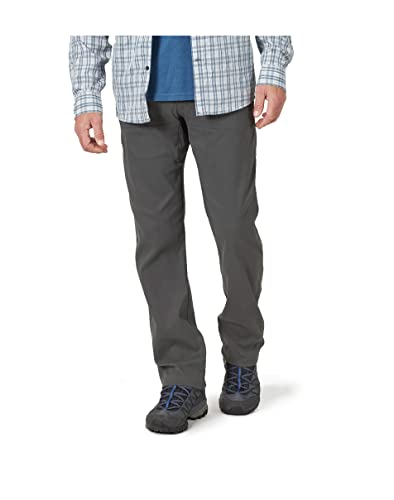
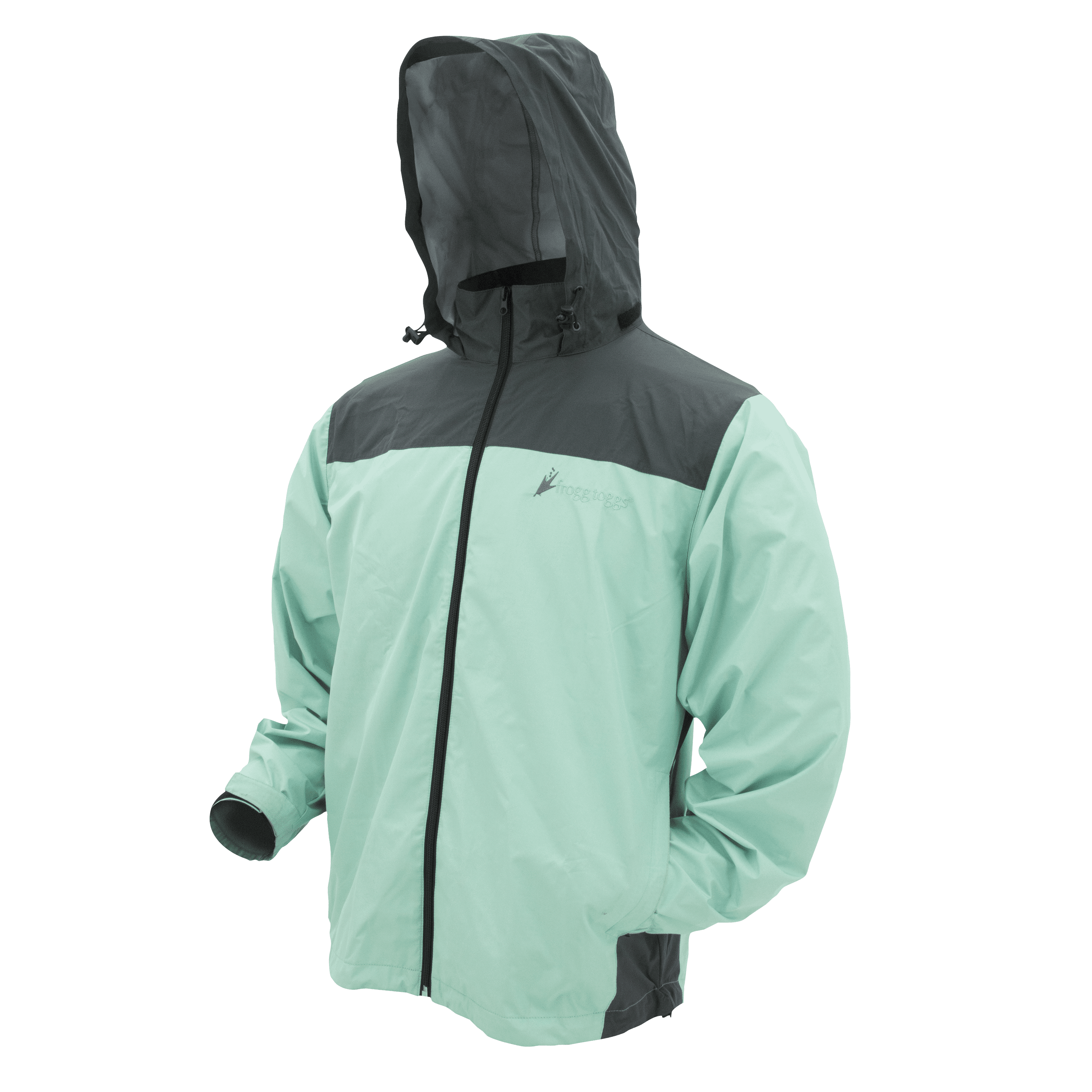
The outer layer acts as a shield against wind, rain, and snow. Look for a waterproof and windproof jacket that offers breathability. It's best if the jacket has a hood for added protection. Additionally, insulated and waterproof pants are crucial to keep your legs warm and protected while hiking through snow or wet conditions.
Remember, layering allows you to adjust your clothing as needed throughout your hike, whether you're traversing steep slopes or taking breaks. Properly layering your clothing will help you stay warm, dry, and comfortable during your winter explorations.
Navigating Snow and Ice: Expert Tips for Winter Hiking
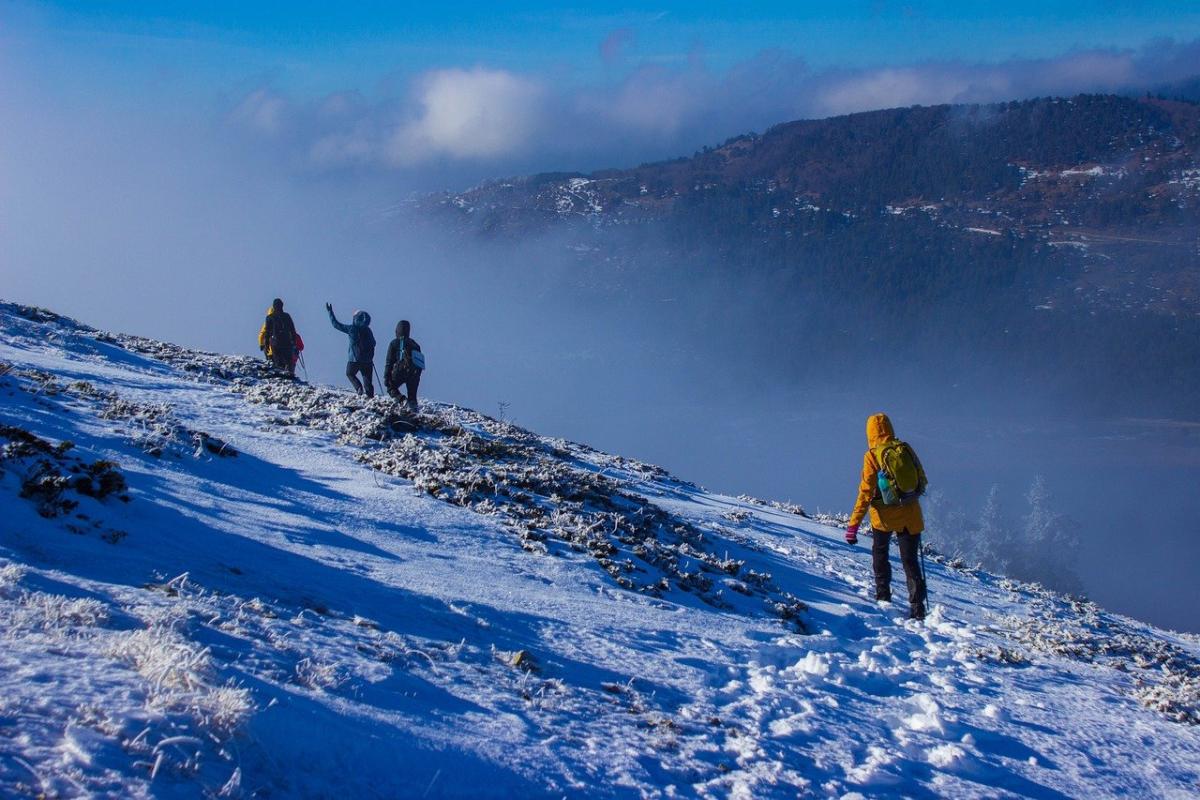
Winter hiking can be a beautiful and adventurous experience, but it also poses unique challenges. One of the main obstacles hikers face during winter is the presence of snow and ice on the trails. Without proper precautions and knowledge, navigating through these conditions can be difficult and potentially dangerous. Here are some expert tips to help you have a safe and enjoyable winter hiking experience.
1. Use Proper Footwear
Investing in a good pair of winter hiking boots with deep treads and strong ankle support is crucial for navigating snowy and icy terrain. Make sure the boots are well-insulated and waterproof to keep your feet warm and dry. Additionally, consider using crampons or ice cleats that can be attached to your boots for extra traction on slippery surfaces.
2. Take Smaller Steps
When walking on snow or ice, modify your stride by taking smaller steps. This helps maintain better balance and reduces the risk of slipping. Keep your center of gravity low, and try to plant your feet firmly with each step before proceeding to the next one. If you encounter an icy patch, shuffle your feet or walk sideways to increase stability.
3. Use Trekking Poles
Using trekking poles can greatly enhance your stability and support while hiking in winter conditions. These poles provide extra points of contact with the ground, helping you maintain balance and navigate slopes more safely. Adjust the length of the poles according to the terrain – shorter for uphill sections, longer for downhill sections. They can also assist in testing the stability of snow or ice before putting full weight on it.